How Bagasse Is Reshaping Sustainable Inflight Serviceware
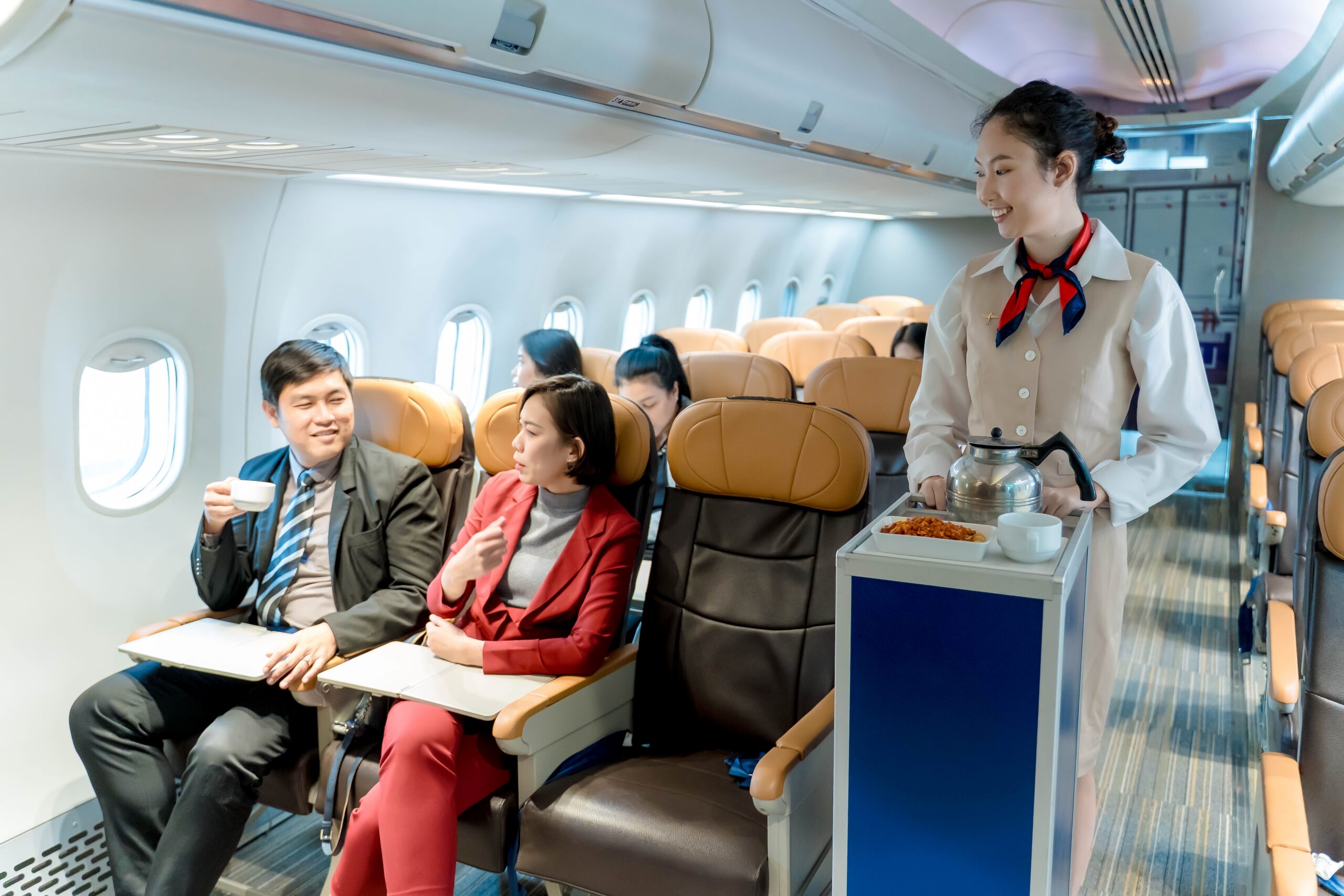
From the cup in your hand to the cutlery on your tray, inflight containers play a larger role than they often get credit for. They’re not just vessels for food and drink, they’re small moments of interaction that signal care, quality, and intention. When they reflect care and sustainability, the impact goes well beyond the cabin.
That’s why bagasse is the smart choice for your serviceware. This fiber-rich byproduct of sugarcane production is transforming how airlines think about onboard serviceware. It’s compostable, lightweight, and surprisingly versatile, making it one of the most promising materials in eco-friendly travel design. As regulations tighten and passengers expect more from airline sustainability efforts, bagasse is redefining what sustainable inflight service looks and feels like.
What Is Bagasse and Why Does It Matter?
Bagasse is the fibrous byproduct left behind after sugarcane stalks are pressed for juice. It’s renewable, abundant, and biodegradable, which makes it a strong candidate for compostable food packaging and inflight serviceware.
Unlike foam or petroleum-based plastics, sugarcane bagasse tableware breaks down naturally under commercial composting conditions. Bagasse requires less water and fewer chemical processes to manufacture than wood pulp alternatives, making it a lower-impact material from production to disposal and a full-cycle win for sustainability.
Switching to bagasse plates and bagasse bowls also helps airlines demonstrate their environmental commitments in a way passengers can see and feel. These visible changes resonate with travelers and replace some of the highest-waste components of onboard service with something that performs and aligns with modern values.
Bagasse Dishware Designed for Inflight Use
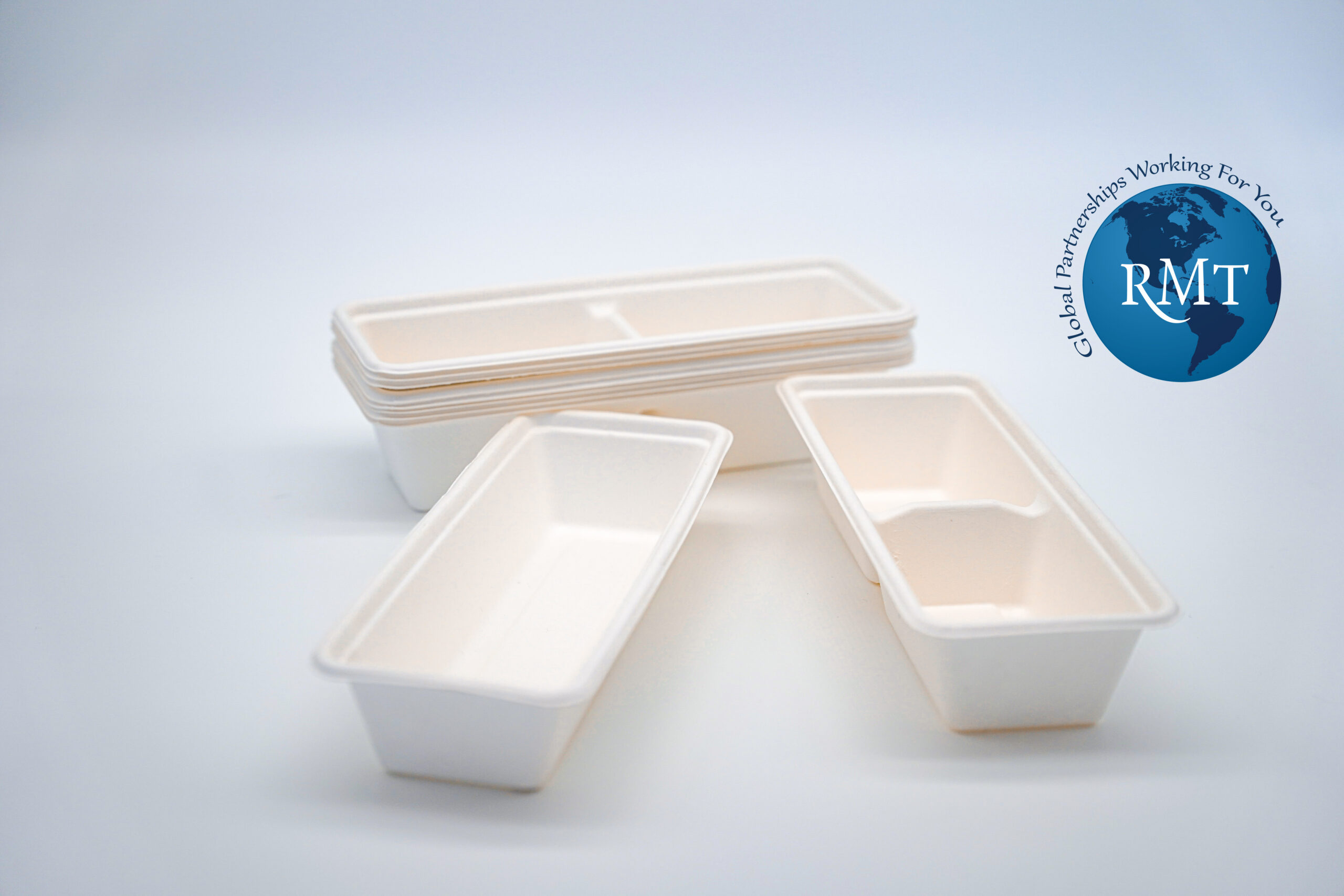
Bagasse is sustainable and eco-friendly, but even more than that, it performs. At RMT Global Partners, we help airlines translate sustainability goals into real-world solutions. That means designing with purpose, partnering across regions, and delivering sugarcane bagasse tableware that holds up in-flight and stacks efficiently in the galley.
- Sturdy and heat-resistant
- Bagasse holds up under hot meals, greasy dishes, and extended service times, making it ideal for everything from short-trip snacks to long-haul entrees.
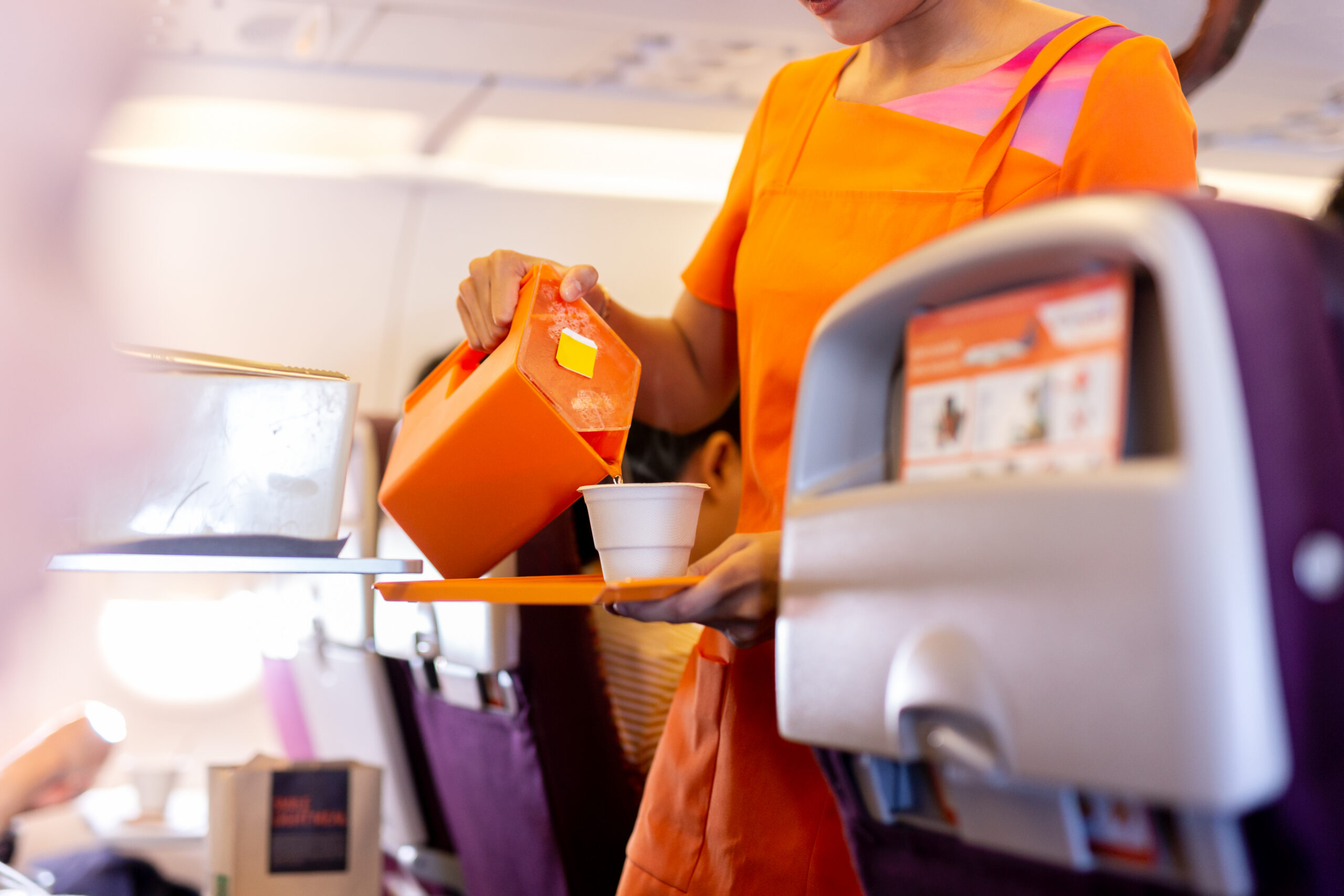
- Bagasse cups offer heat resistance and compostability ideal for coffee and tea service.
- Lightweight and space-efficient
- These products are stackable and compact, saving valuable galley space and reducing overall onboard weight.
- Configurable for service needs
- RMT offers custom shapes, sizes, and compartment designs to fit different tray layouts and route types.
- RMT offers custom shapes, sizes, and compartment designs to fit different tray layouts and route types.
From economy trays to business class meal presentations, sugarcane bagasse tableware offers the flexibility to match cabin expectations while supporting waste reduction goals.
Sugarcane Bagasse Cutlery: Compostable and Cabin-Ready
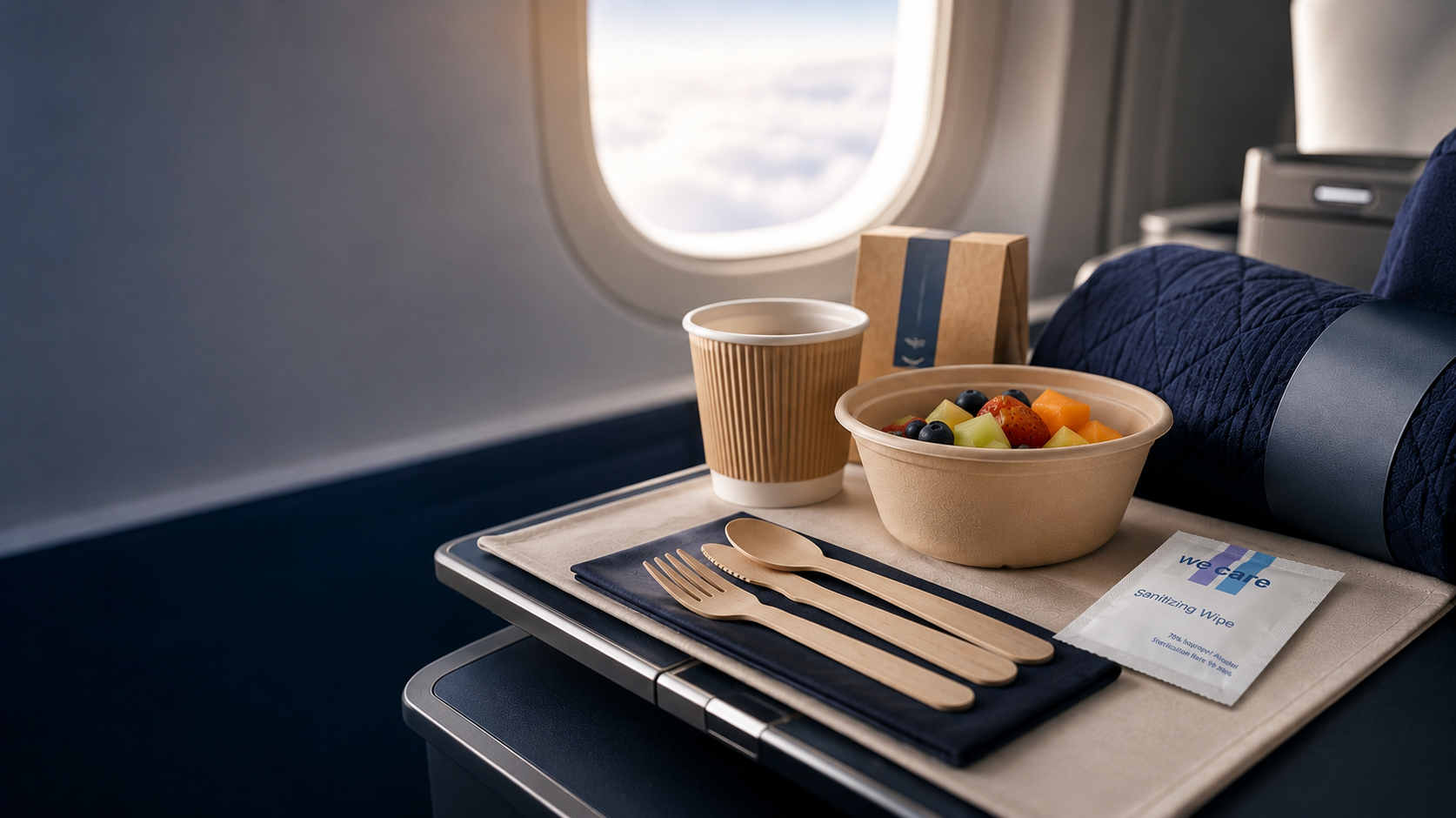
Dishware is only one piece of the inflight puzzle. Cutlery plays a key role, too, and it’s often the first item passengers notice. That’s why sugarcane bagasse cutlery is gaining ground as a practical, compostable alternative.
Bagasse is a material that sends a message. It shows that your airline is thinking through every detail and tells passengers that you’re serious about sustainability. With sugarcane bagasse tableware, you’re replacing plastic while building a better onboard experience.
Bagasse is more than a material, it’s a message. It shows your airline is intentional about every detail and committed to meaningful sustainability. By choosing sugarcane bagasse tableware, you’re reducing plastic use while creating a cleaner, more thoughtful onboard experience for your passengers.
Made from bagasse composites or paired with materials like bamboo, biodegradable cutlery options from RMT deliver performance and compostability in a single kit. These pre-packed solutions reduce handling, streamline crew workflow, and support inflight hygiene, all without contributing to long-term waste.
Plus, bagasse is also built for branding. It’s a perfect place to make your mark and solidify your logo in your client’s minds. We offer customization options that help airlines reinforce their identity across every item served onboard.
- Custom molds and shapes
- Need a divided plate for a multi-course meal or a compact bowl that fits your galley carts? Bagasse can be molded to fit.
- Embossed logos and details
- We can integrate subtle branding elements into the surface of bagasse plates or lids for a premium look.
- Compostable wraps and QR codes
- Extend storytelling with wraps that include branded messaging or links to your sustainability commitments.
- Extend storytelling with wraps that include branded messaging or links to your sustainability commitments.
These design options give airlines the flexibility to meet operational needs while turning sugarcane bagasse tableware into a consistent brand touchpoint.
Airlines making the shift to sugarcane bagasse tableware are responding to trends while making measurable improvements in how they operate and show up for their passengers.
How RMT Global Partners Helps
Every airline faces different challenges when it comes to sustainable serviceware. Some need to meet regional compostability rules. Others are navigating weight limits, crew training, or tight turnaround times. That’s why we don’t offer off-the-shelf fixes, we build thoughtful solutions that work.
We work directly with airline teams to understand what’s working, what’s not, and where bagasse or other eco-friendly travel products can make a meaningful difference. It’s a solutions-first approach that helps ensure sustainable airline packaging is functional, on-brand, and ready for flight.
RMT Global Partners is ready to help you design, test, and deliver custom inflight solutions that work for your crew, your passengers, and the planet. Your inflight serviceware doesn’t have to compromise between sustainability and performance. Let’s design something better. Contact us to start your eco packaging journey.
Every airline faces its own set of challenges when it comes to sustainable serviceware. Some are navigating regional compostability requirements. Others are balancing weight restrictions, crew training, or tight turnaround times. That’s why we don’t believe in off‑the‑shelf fixes, we build thoughtful, tailored solutions that actually work in the real world.