Designing for the Planet: How Sustainable Innovation Is Reshaping the Future of Travel
Travel has always been built around movement, but the future of travel is being shaped by something more specific: responsibility.
Passengers are paying closer attention to the details around them. They notice what is handed to them during meal service. They notice packaging. They notice whether the products used on board feel thoughtful or wasteful. For airlines, rail operators, cruise lines, and hospitality teams, those small touchpoints are becoming part of the larger brand experience.
That is where sustainable travel innovation is moving next. It is not only about broad environmental commitments or long-range corporate goals. It is about the real products travelers interact with during the journey, and whether those products support a smarter, more responsible way to move people around the world.
According to Kearney, the global travel industry is projected to serve almost two billion passengers annually by 2030. With that kind of growth ahead, travel brands have an important question to answer: how do we keep raising the standard for passenger experience while reducing unnecessary waste?
Today’s Traveler Is Looking at More Than the Destination
For years, sustainability in travel was often treated as something separate from the passenger experience. It lived in corporate reports, operational targets, or long-term environmental pledges.
That separation is fading.
Today’s travelers are more aware of how their choices affect the places they visit and the services they use along the way. They may not know the full supply chain behind a cup, tray, blanket, or cutlery kit, but they can recognize when a brand has made a more thoughtful choice. A compostable dish, reusable drinkware, or carefully sourced onboard item can communicate care in a way that feels immediate.
For travel brands, that matters. Sustainability is no longer only a back-end operational consideration. It has become part of how passengers experience trust, quality, and brand values.
That does not mean every product needs to announce itself as sustainable. In many cases, the best eco-first design feels seamless. It works well. It looks polished. It supports the service team. It reduces waste without asking the passenger to compromise on comfort.
Why Sustainability Cannot Stay on the Side
The travel and hospitality industries rely on thousands of small items that move quickly through service environments. Cups, trays, utensils, wrappers, napkins, dishware, amenity pieces, hygiene items, and comfort products all play a role in the journey.
Individually, these items may seem small. Across fleets, routes, cabins, ships, rail cars, and lounges, the impact becomes much larger.
That is why aviation sustainability and broader travel sustainability cannot depend only on fuel, energy, or emissions strategies. Those are critical, of course, but the passenger-facing product layer matters too. It is where sustainability becomes visible and tangible.
A thoughtful shift away from unnecessary single-use plastics, poorly matched materials, or products that do not align with disposal systems can help travel brands make measurable progress. It can also make the onboard or guest experience feel more aligned with what today’s travelers expect.
RMT Global Partners works in that practical space, helping travel brands identify sustainable onboard products and find solutions that balance environmental goals with real operational needs.
What Eco-First Design Looks Like in Travel Settings
Eco-first design is not just about choosing the material that sounds the most sustainable on paper.
In travel settings, products have to work under pressure. They need to store efficiently. They need to be durable enough for service. They need to feel appropriate for the cabin, route, brand, and guest experience. They need to make sense for crew workflows and post-service handling.
That is why sustainable innovation in travel has to be practical.
A product might be made from a better material, but if it breaks easily, takes up too much space, slows service, or creates confusion after use, it is not truly supporting the operation. The strongest eco-friendly travel solutions are the ones that consider the full product journey, from sourcing and design to use, disposal, reuse, or replacement.
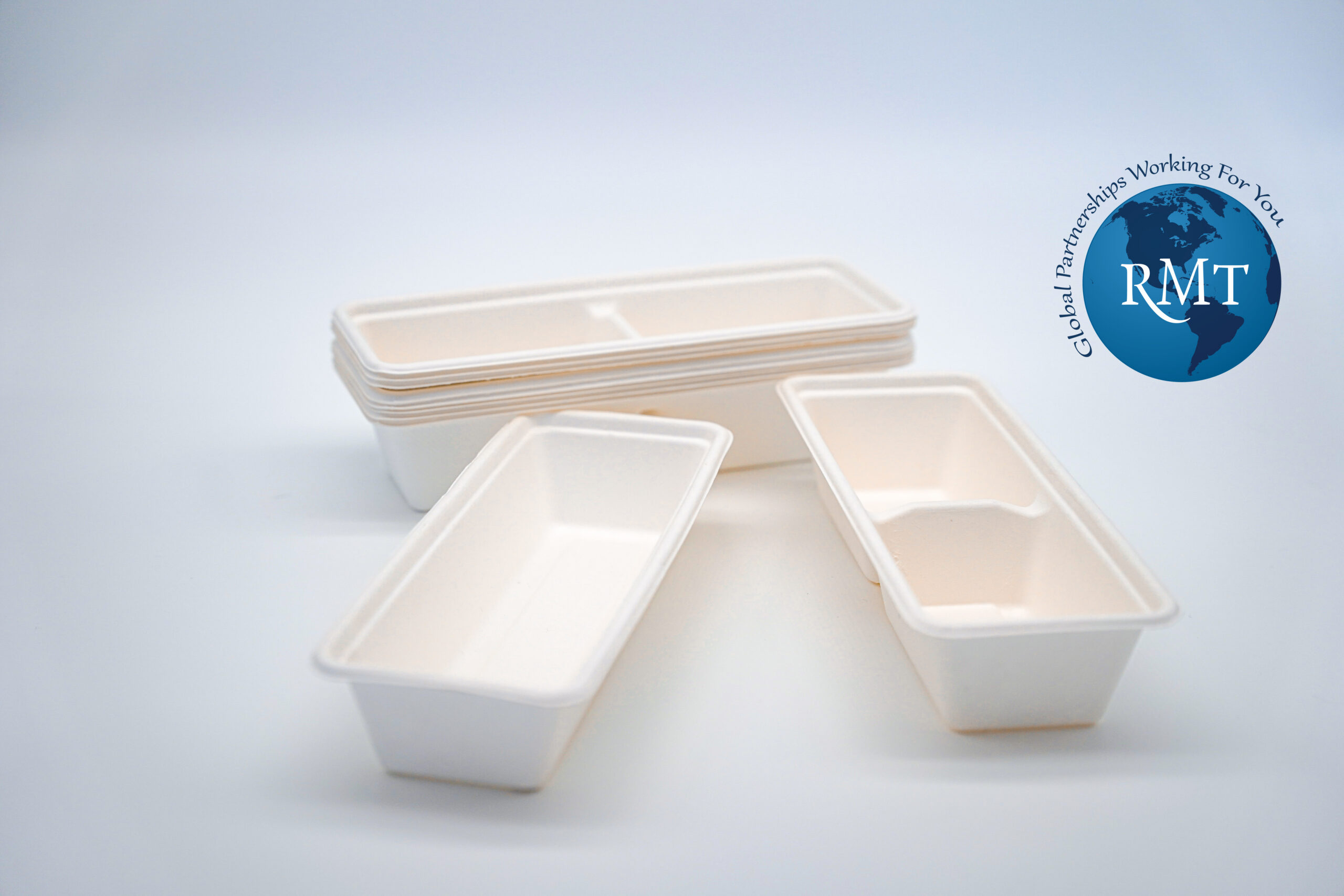
For example, RMT’s cutlery solutions can support more responsible onboard dining while still giving travel brands options around presentation, packaging, and service flow. The same principle applies to sugarcane bagasse dishware, which offers a more sustainable alternative for dining environments where conventional plastic or foam no longer fits the brand’s standards.
Good sustainable design does not ask operators to choose between environmental responsibility and passenger experience. It looks for the point where both can improve.
Biodegradable Materials and Smarter Product Choices
Biodegradable and compostable materials have become important parts of the sustainability conversation, especially for travel brands trying to reduce dependence on traditional plastic.
Materials such as bagasse, which is made from sugarcane fiber, can provide a sturdy and more responsible option for serviceware. These products are especially useful in dining environments where durability, heat resistance, and presentation still matter. A passenger should not feel like a sustainable product is a lesser product.
That is the key distinction.
The goal is not to replace one item with another simply because the label sounds greener. The goal is to choose materials that make sense for the travel environment. A biodegradable product, a compostable product, and a reusable product can each serve different needs depending on the route, service style, disposal access, and brand expectation.
RMT has written more about that distinction in its guide to biodegradable vs. compostable supplies for travel brands, because the language around sustainability can get confusing quickly. For procurement teams and sustainability leaders, clarity matters. The wrong material choice can create more complexity, not less.
With the right product partner, travel brands can evaluate what will actually perform well, support the guest experience, and align with sustainability goals.
Reusable Products and the Shift Away From Single-Use Thinking
Biodegradable materials are only one part of the future. Reusable products also have an important role to play, especially in premium environments where durability, presentation, and long-term value matter.
Reusable products can help reduce repeated purchasing and unnecessary waste, while also supporting a more elevated passenger experience. Tritan glassware, for example, offers the clarity and feel of premium drinkware with the durability needed for travel environments. It is shatter-resistant, polished, and practical for onboard service.
That combination is important.
A reusable product cannot simply look good. It has to hold up to real movement, handling, washing, storage, and repeated service. It has to support crew efficiency and meet passenger expectations. When it does, it becomes more than a sustainability decision. It becomes a brand experience decision.
For airlines, cruise lines, rail operators, and maritime hospitality brands, the opportunity is to look at where reusable products can replace disposable habits without adding friction. In some areas, compostable or biodegradable options may be the better fit. In others, reusable products may deliver stronger long-term value.
The smartest approach is not one-size-fits-all. It is product-by-product, service-by-service, and brand-by-brand.
How RMT Helps Travel Brands Find Eco-Friendly Solutions
Sustainable travel innovation becomes easier when brands have the right partner helping them evaluate the details.
RMT Global Partners works with travel brands across aviation, rail, cruise, and maritime hospitality to source and develop products that support both environmental responsibility and passenger experience. That may include biodegradable materials, reusable products, sustainable dining solutions, comfort care items, hygiene products, or custom product kits designed for specific service needs.
The value is not only in offering eco-friendly products. It is in helping travel brands make the right choice for the setting.
A procurement team may be focused on cost, consistency, and volume. An inflight service team may be thinking about passenger presentation and crew workflow. A sustainability team may need better material choices, documentation, or alignment with internal goals. RMT’s role is to help connect those priorities so the final product decision works from every angle.
That kind of partnership matters because sustainability is not a single swap. It is a series of better decisions made across the journey.
Bringing Sustainability Into the Passenger Experience Without Losing Polish
Sustainability should not make the travel experience feel less considered. If anything, it should make the experience feel more intentional.
A well-designed product can tell passengers that the brand has thought about what they use, what they discard, and how those choices fit into the larger journey. It can support environmental goals while still feeling refined, comfortable, and aligned with the brand.
That is the future of eco-first design in travel. Not sustainability as a side note. Not sustainability as a compromise. Sustainability as part of the service experience itself.
For travel brands ready to rethink onboard products, dining serviceware, reusable items, or eco-friendly product kits, RMT Global Partners can help identify options that make sense for the real world of travel.
Explore RMT’s sustainability-focused approach or contact RMT Global Partners to start the conversation about eco-friendly solutions for your travel brand.