Smarter Onboard Product Planning: How Travel Brands Can Choose Products That Work in the Real World
Onboard products look simple from the passenger seat.
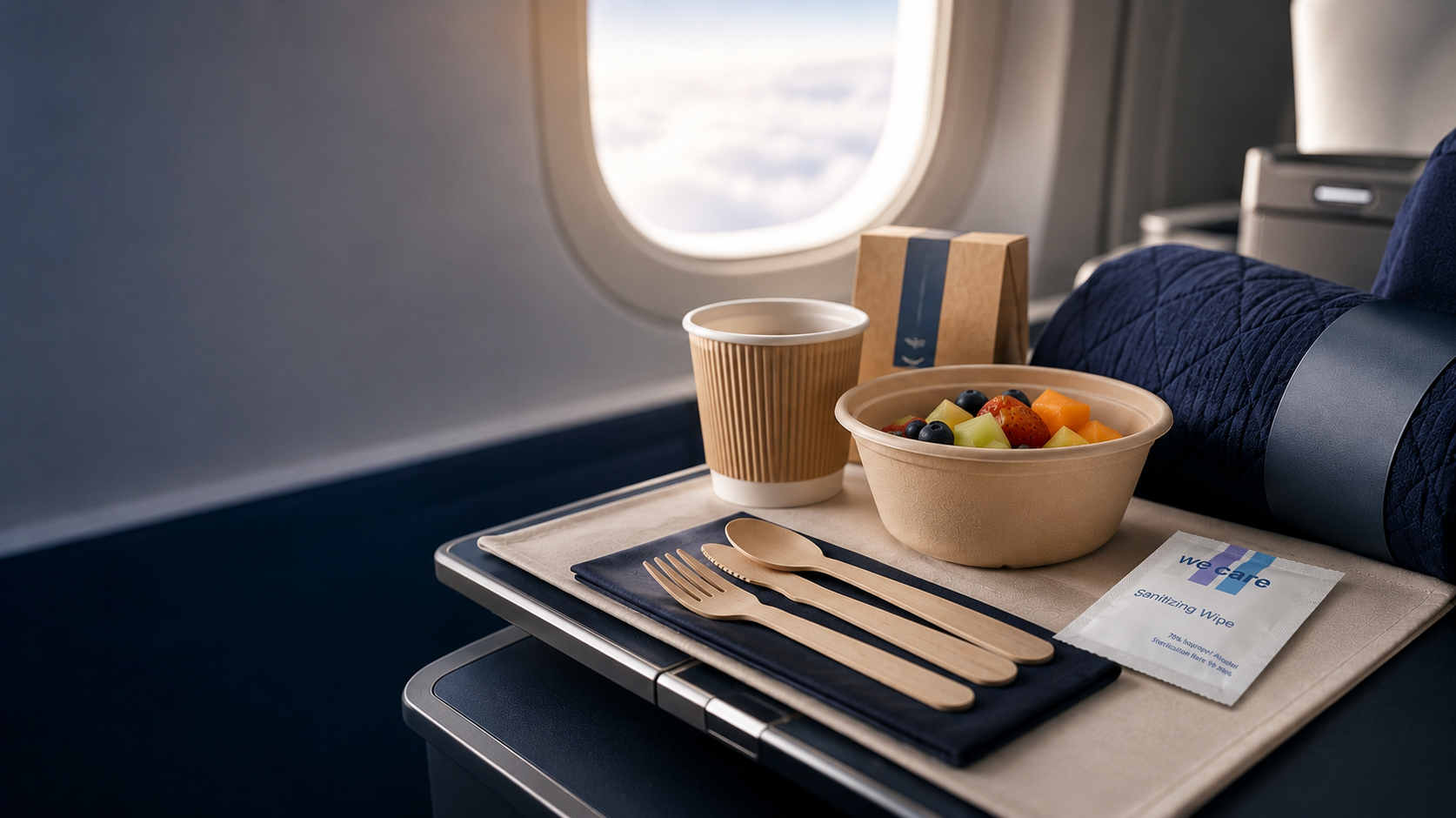
A cup. A tray. A blanket. A wipe. A cutlery kit. A small piece of packaging that gets opened, used, and cleared away before the next service moment begins.
But for airlines, rail operators, cruise lines, and hospitality teams, those products carry a lot more weight than passengers ever see. They affect storage, crew workflow, waste handling, sustainability goals, brand perception, sourcing, cost, and the overall rhythm of service.
That is why smarter onboard product planning cannot start with a catalog alone. It has to start with the real world of travel operations.
Why product planning matters more during peak demand
Travel environments are fast-moving even on a normal day. During peak seasons, the pressure increases.
More passengers. Faster turnarounds. Fuller cabins. Busier crews. Higher expectations. Less room for products that create friction.
In those moments, the details matter. A product that stores poorly, feels flimsy, creates unclear disposal questions, or slows a crew member down can create problems far beyond its unit cost. The right product, on the other hand, can support a smoother service flow and a more polished passenger experience.
For procurement teams and onboard service teams, the question is not only, “What do we need to buy?”
It is, “What does this product need to do once it is actually in motion?”
The strongest product decisions connect multiple priorities
A smart onboard product program balances several needs at once.
Cost matters. So does consistency. But those are only part of the picture.
Travel brands also need to think about:
- How the product fits into limited storage space
- Whether it supports crew efficiency
- How it feels in the passenger experience
- Customization opportunities for the brand
- Sustainability goal alignment
- Disposal, reuse, or recycling pathways are reality
- How reliably the product can be sourced at scale
This is where many product decisions become more complex than they first appear. A sustainable material may sound strong on paper, but if it does not perform well in service or creates confusion after use, it may not be the right fit. A reusable product may support long-term goals, but only if it holds up to handling, washing, storage, and repeated use.
The best choice is rarely about one feature. It is about fit.
Passenger experience lives in small touchpoints
Passengers may not remember every item they touch during a journey, but they do remember how the experience felt.
Was the serviceware sturdy? Did the presentation feel considered? Did hygiene items feel clean and useful? Did comfort products make the trip feel more cared for? Did the packaging feel aligned with the brand they chose?
These small touchpoints shape trust.
For premium cabins, lounges, cruise, rail, and hospitality settings, the product layer can quietly reinforce the brand promise. When the details feel intentional, the experience feels more complete.
That is why onboard product planning should include more than function. It should also consider presentation, texture, color, packaging, and the emotional signal each item sends to the passenger.
Sustainability has to work beyond the concept stage
Sustainability is now part of the product conversation across the travel industry, but practical execution matters.
A travel brand may want to reduce single-use plastics, shift toward compostable or biodegradable materials, introduce reusable serviceware, or improve waste sorting. Those are meaningful goals, but every decision needs to be evaluated inside the actual service environment.
Can the material handle the intended use? Is it clear to passengers what should happen after use? Does the operator have access to the disposal or reuse pathway the product requires? Does the item support the sustainability story without compromising service quality?
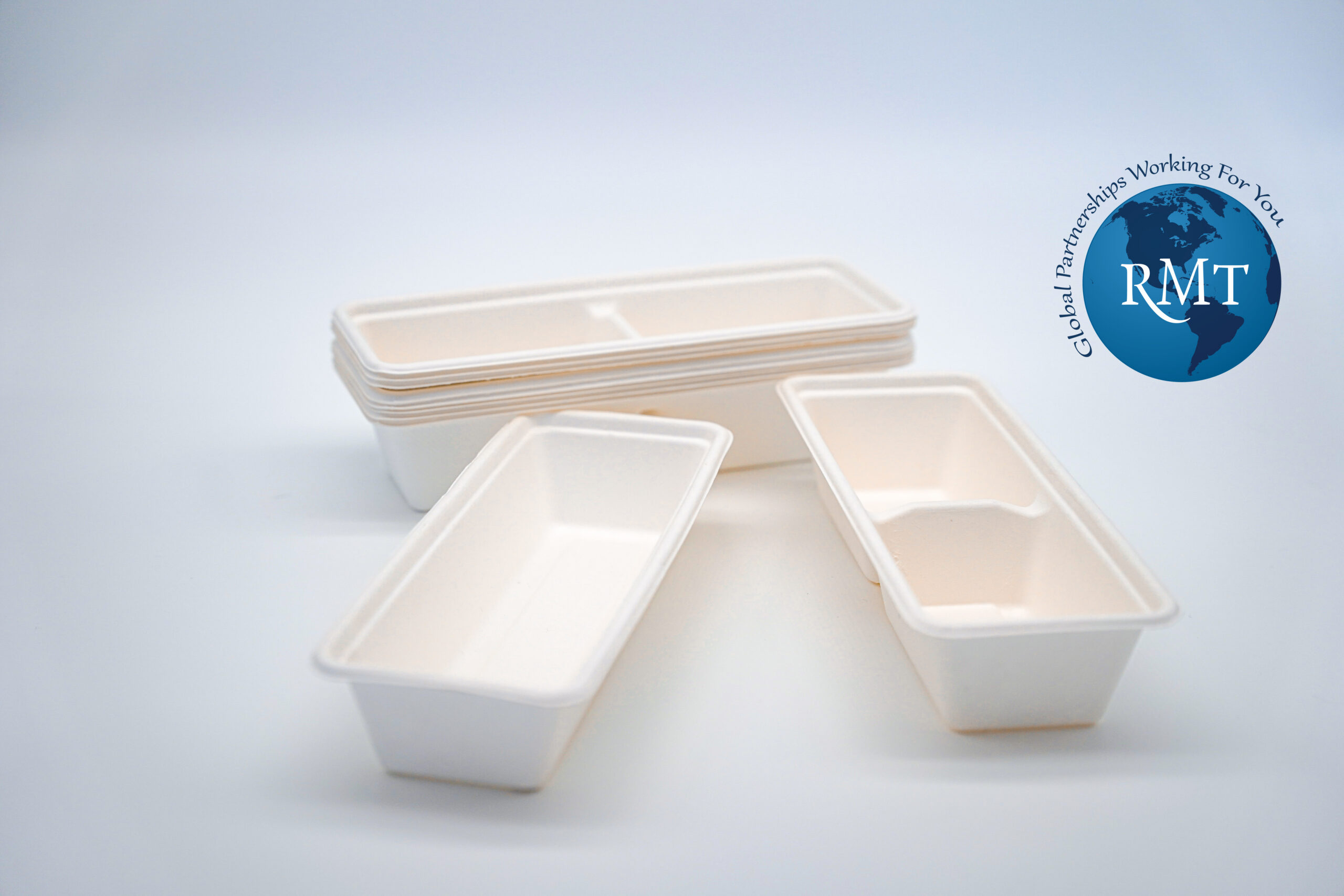
Products such as sugarcane bagasse dishware, cutlery solutions, reusable drinkware, and sustainable packaging options can all play a role. The key is matching the product to the route, service style, brand standard, and end-of-life reality.
Sustainability works best when it is not treated as a separate initiative. It should be built into product planning from the beginning.
Why customization is more than a logo
Customization often gets reduced to branding, but the opportunity is bigger than that.
A customized onboard product can help the item feel like it belongs in the passenger experience. Packaging, color, material, finish, size, and presentation all work together. When handled well, those choices create consistency across the journey.
A logo may be the most visible piece, but it is not the whole story.
For travel brands, customization should support both brand recognition and operational fit. The goal is not simply to make a product look branded. The goal is to make it feel aligned with the larger experience passengers are already having.
Questions to ask before selecting onboard products
Before making a product decision, travel teams can benefit from asking a few practical questions:
- Who will handle this product during service?
- Where will it be stored?
- How quickly does it need to be accessed or cleared?
- What does it communicate to passengers?
- Can it be customized without complicating production?
- Does the material align with sustainability goals?
- What happens to it after use?
- Can the supply chain support volume and timing?
- Does it solve a real operational need, or only look good in theory?
These questions help keep product planning grounded in reality.
How RMT Global Partners supports better product decisions
RMT Global Partners helps travel brands source and develop products that support passenger experience, sustainability goals, and real-world operations.
That may include serviceware, comfort products, hygiene items, sustainable materials, reusable options, packaging, or custom product programs designed for specific onboard environments. The value is not only in identifying products. It is in helping partners think through how those products will actually perform once they enter service.
Procurement teams need reliability. Inflight and hospitality teams need products that support the service flow. Sustainability teams need smarter material choices and clearer product stories. Brand teams need touchpoints that feel polished and consistent.
Strong product planning brings those priorities together.
Plan the details before pressure hits
Onboard products may be small, but the decisions behind them are not.
The right product choices can help travel brands reduce friction, support crews, elevate presentation, and build a more responsible passenger experience. The wrong ones can create unnecessary complexity at exactly the moment service needs to move smoothly.
For travel brands reviewing their product needs for the months ahead, now is the time to look beyond the product list and think strategically about fit, function, sustainability, and experience.
RMT Global Partners can help you evaluate the details and source solutions built for real travel environments.
Explore RMT’s sustainable product solutions or contact RMT Global Partners to start the conversation.